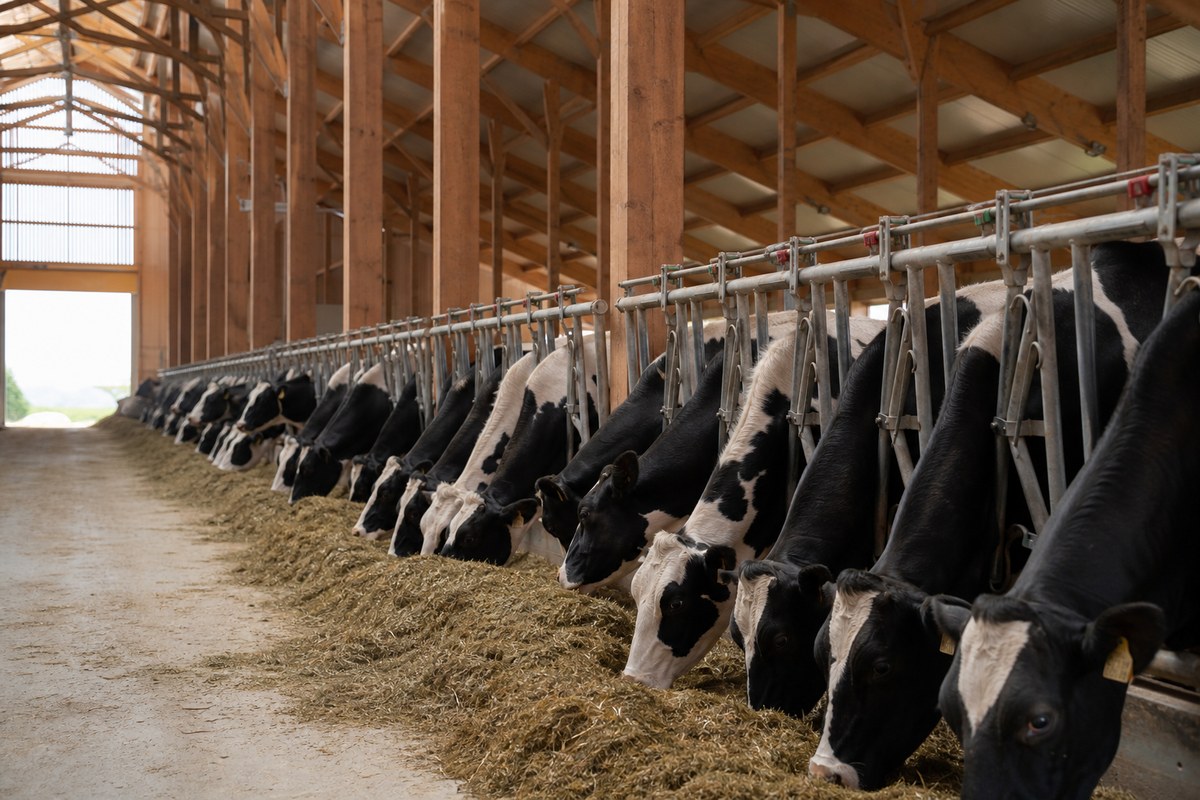
Dairy farms deal with pest pressure in places that matter for herd health and milk quality — barns, parlors, calf areas, feed alleys, and manure handling zones. Flies and rodents thrive where moisture, feed, and shelter overlap.
Strong prevention is less about a single treatment and more about how the farm runs day to day: sanitation timing, structural openings, and biosecurity habits that keep pressure from building between visits.
Focus on the high-pressure zones first
Not every part of a dairy has equal risk. Start where pests gain the most advantage — feed storage, parlor perimeters, calf housing, and areas where manure or spilled feed sits longer than it should.
- Walk barns and parlors with an eye for moisture and spilled feed
- Check calf areas and hospital pens for harborage and attractants
- Inspect feed alleys, bunkers, and storage for rodent travel paths
Reduce fly pressure around barns and parlors
Fly pressure rises with warmth, moisture, and organic debris. Prevention works best when sanitation and structural habits support it — cleaned edges, managed manure flow, and fewer wet corners near animal housing.
Targeted treatment still has a place, but lasting results usually come from correcting the conditions that keep flies reproducing on site.
Keep rodents out of feed and structural gaps
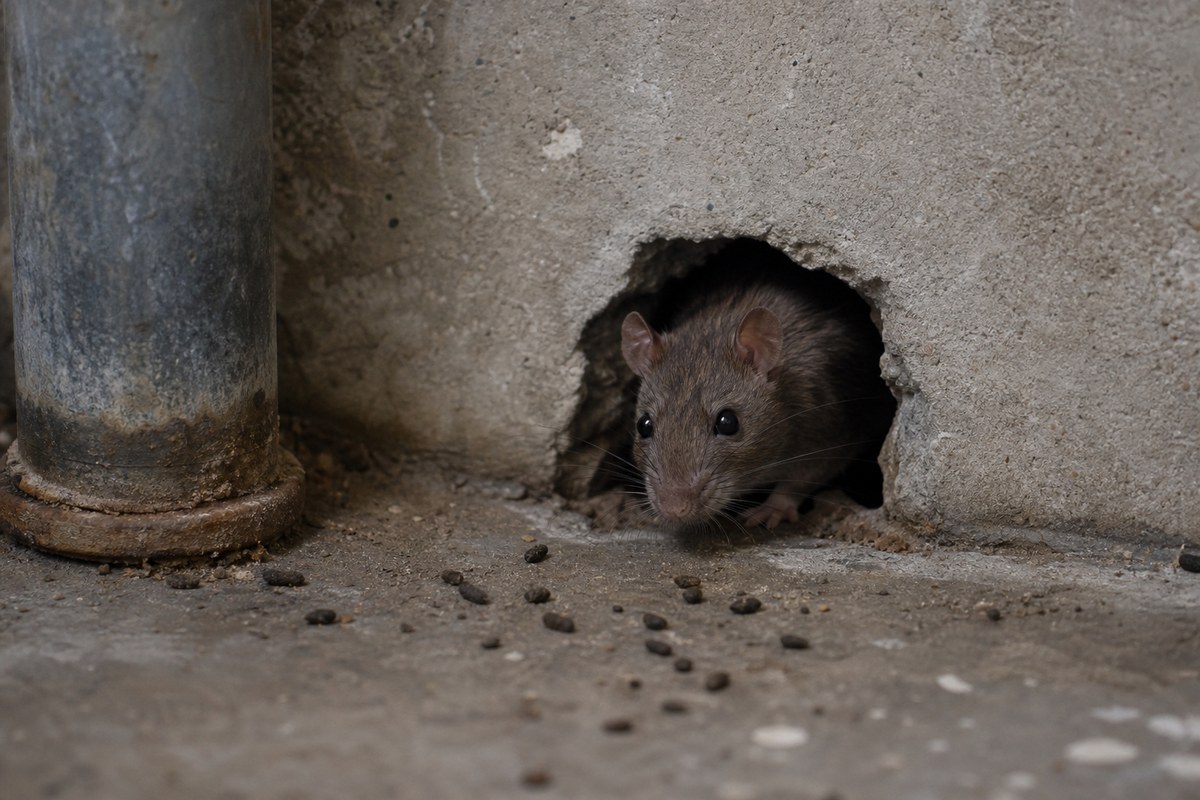
Rodents follow feed and shelter. Door gaps, utility penetrations, cluttered storage, and soft building materials give them easy access. A dairy rodent plan should combine inspection, exclusion where practical, and monitoring that fits farm traffic patterns.
Build prevention into biosecurity routines
Pest work on dairies has to respect livestock protocols and production schedules. The most useful programs follow site rules, communicate clearly with managers, and document what was found so the next visit builds on the last.
- Align service timing with milking and chore schedules when possible
- Follow farm biosecurity expectations for entry and movement
- Keep notes managers can use for herd health and facility conversations