Droppings
Near appliances, sinks, drains, and baseboards.
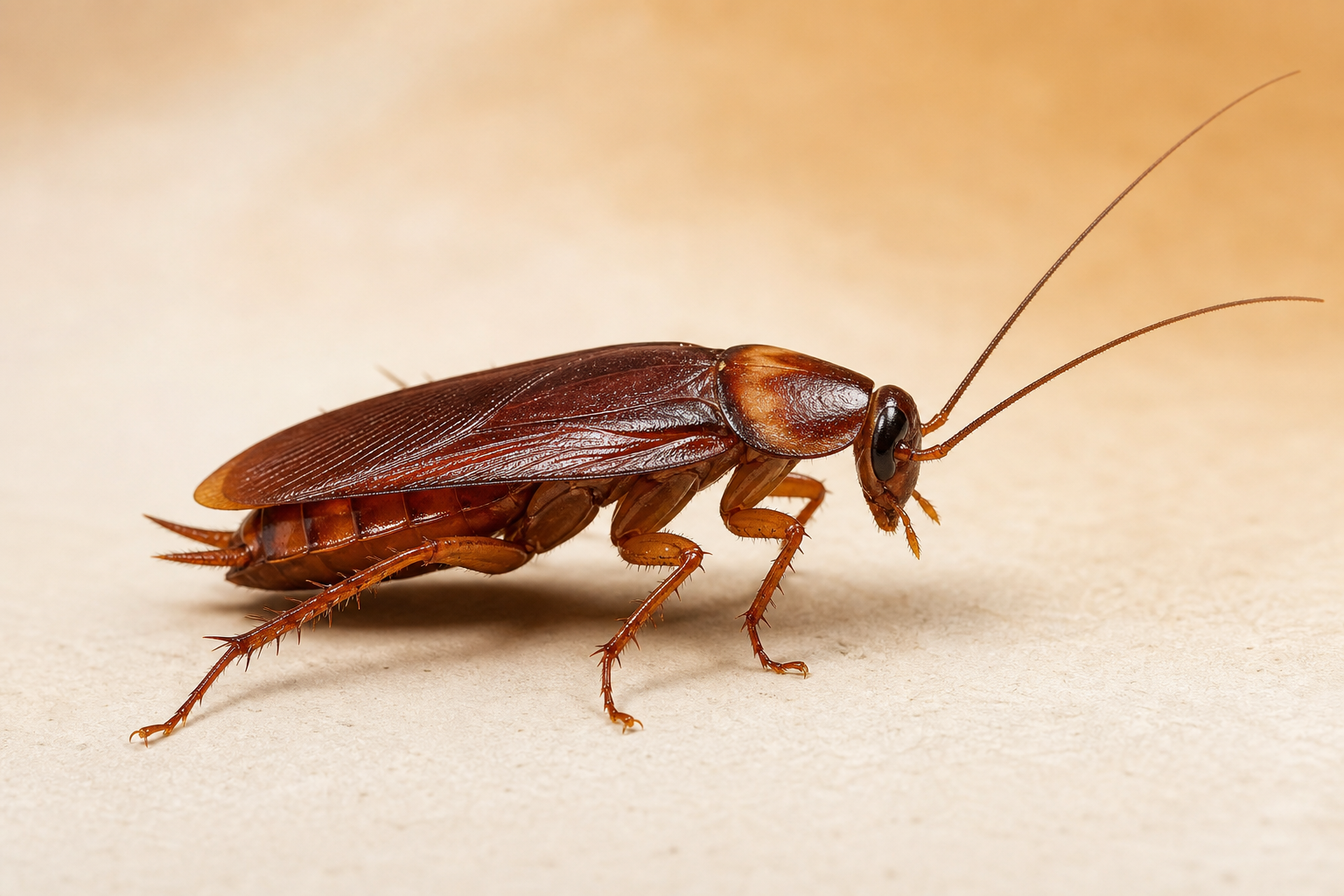
A practical guide for commercial kitchens, food plants, and facility managers dealing with cockroach pressure in Wisconsin.
Cockroaches thrive where food, moisture, and shelter overlap — especially in kitchens, food plants, and warm mechanical spaces. Catching early signs keeps pressure from spreading into production and customer areas.
Use this guide to recognize activity, focus inspections on the right hotspots, and know when to bring in a structured response.
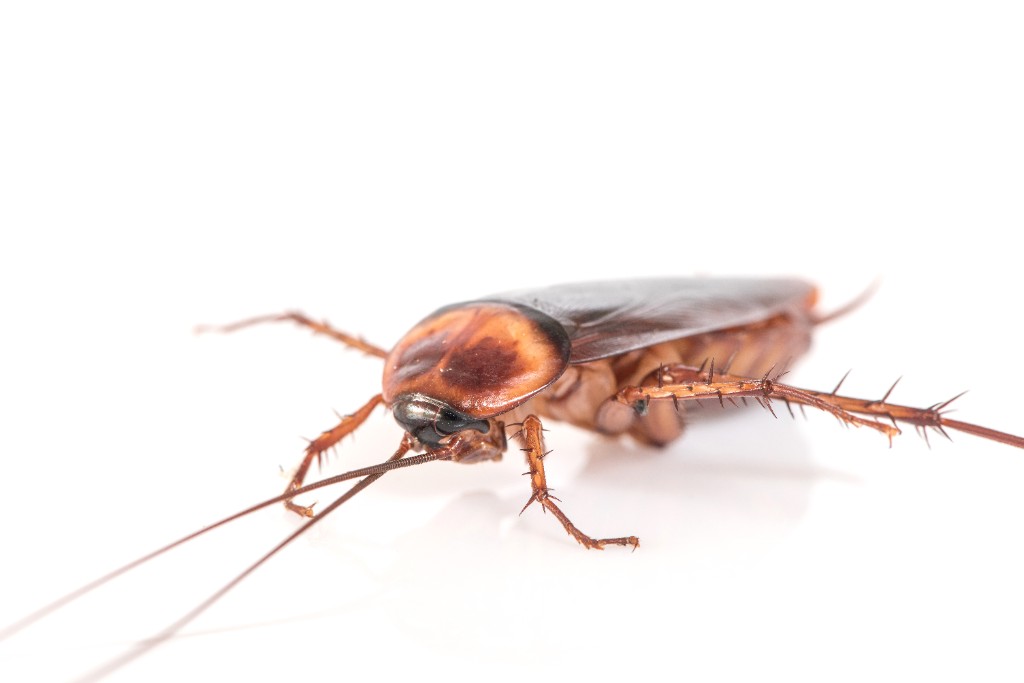
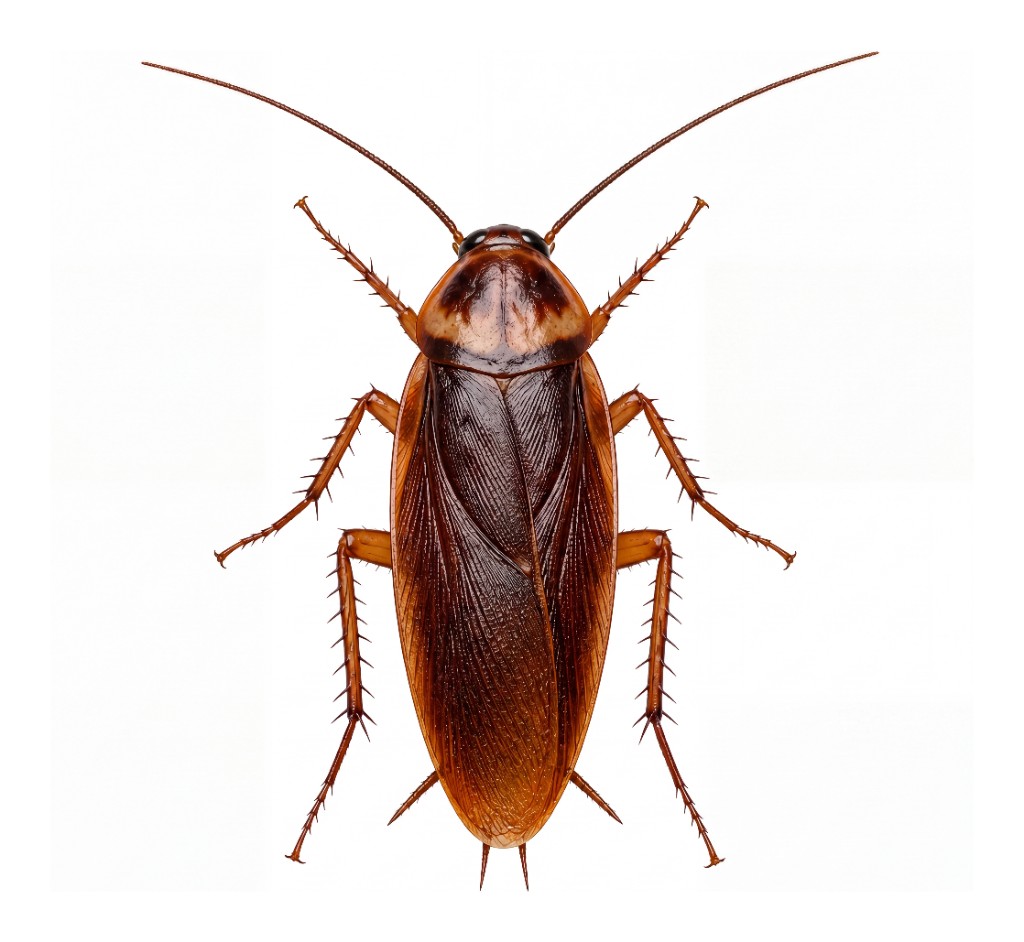
These signals often appear before staff see large numbers of insects — catch them early and pressure is easier to contain.
Near appliances, sinks, drains, and baseboards.
Activity around compressors and electrical panels.
Live or dead insects in sticky monitors and glue boards.
Oothecae in cracks, hinges, and equipment voids.
In severe or long-running pressure areas.
During night checks or early-morning open.
Focus inspections where heat, moisture, and food residue overlap. These areas drive most repeat cockroach pressure.
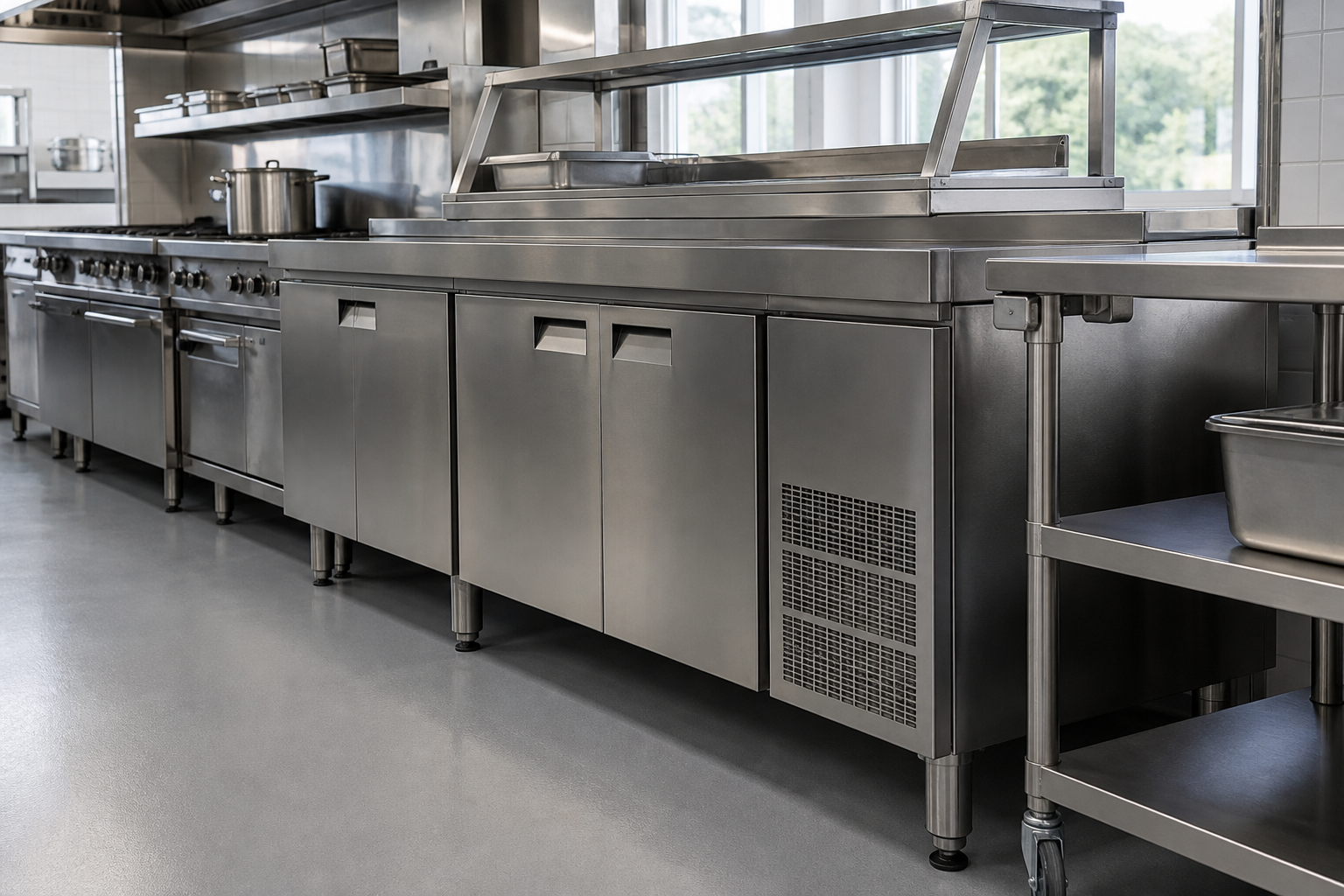
Food residue, grease films, and moisture under equipment create reliable harborage.
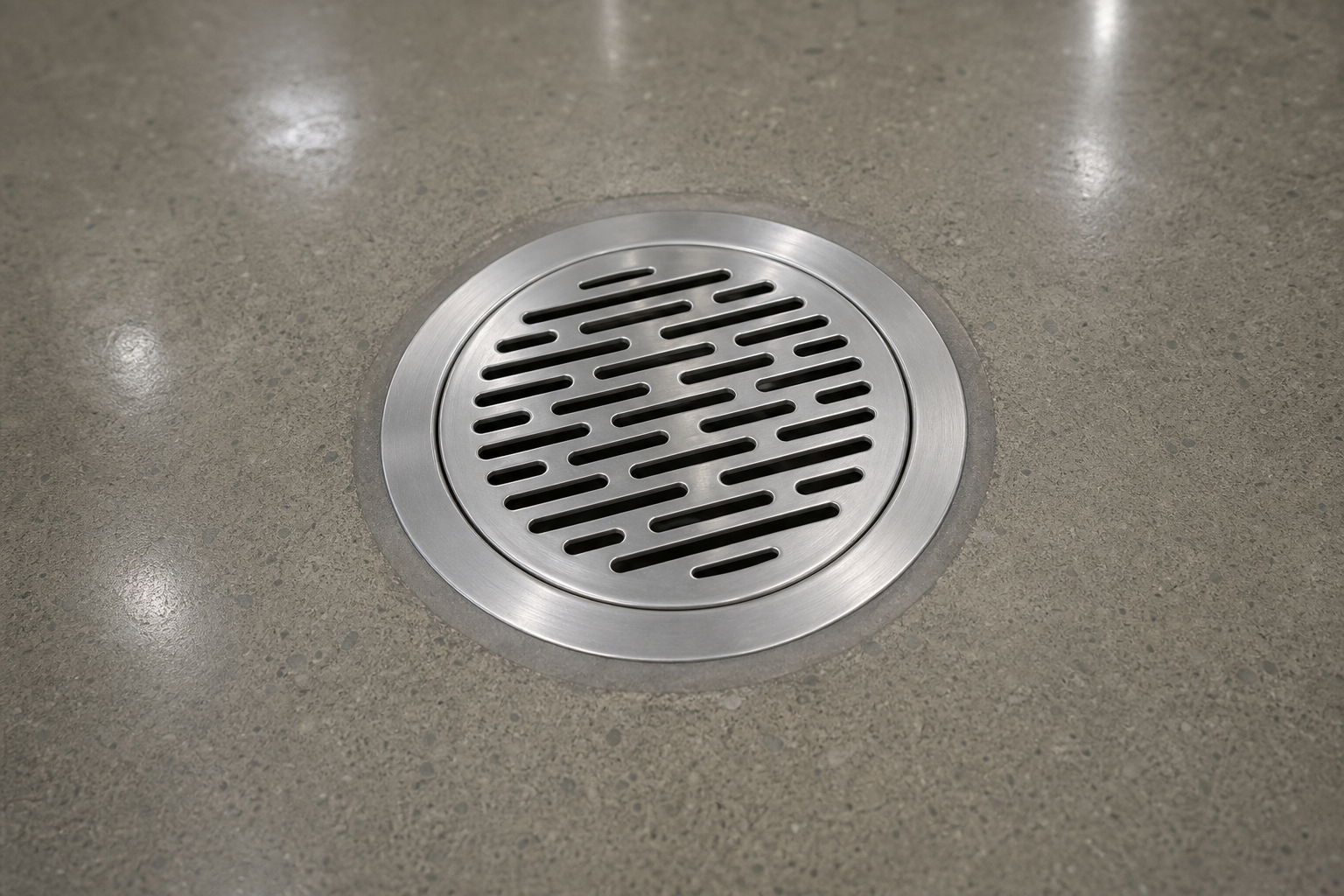
Damp drains, mop sinks, and poorly sealed floor transitions invite overnight travel.
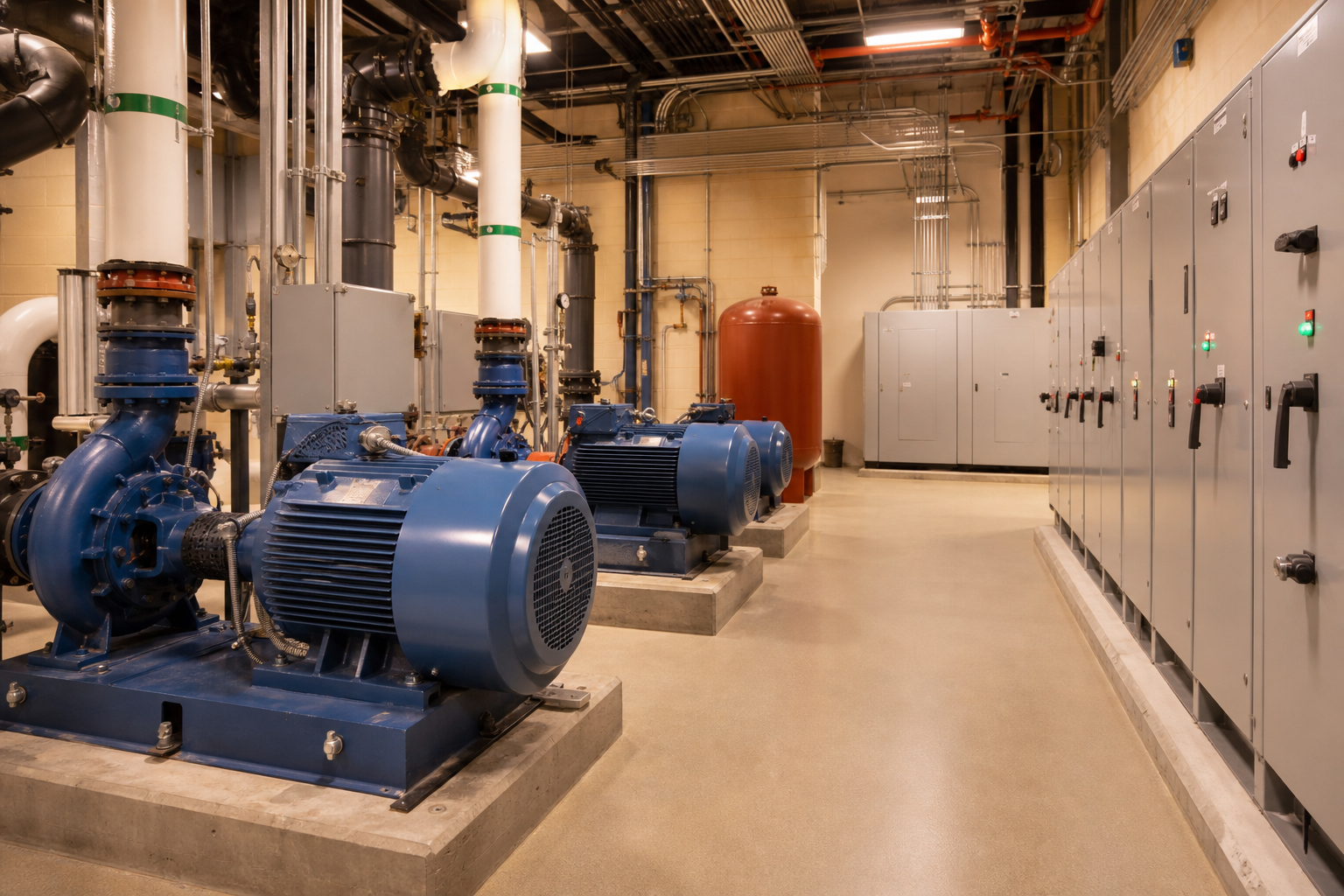
Motors, panels, and heat sources attract cockroaches seeking shelter during the day.

Cardboard, pallets, and cluttered corners give cover near food and packaging inventory.
Treat cockroach pressure like a facility process: inspect, correct conditions, then monitor so you know whether activity is falling.
Check drains, equipment legs, wall voids, hinges, and warm mechanical areas where cockroaches hide during the day.
Improve sanitation around prep areas, trash rooms, and moisture sources so treatments hold longer.
Use targeted crack-and-crevice work with follow-up monitoring so activity trends stay visible between visits.
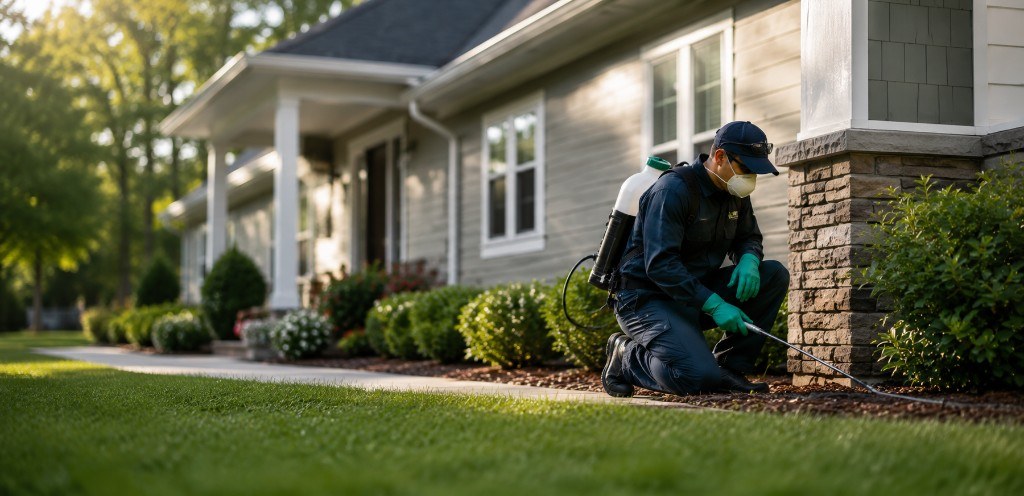
Seeing cockroach pressure in a kitchen, food plant, or facility space? Tell us about your site and we will outline a practical next step.